














Platform
A trusted evidence layer for physical assets
A hybrid mobile and web platform for capturing, managing and verifying trusted evidence about real-world assets.
Delphi Verify helps organisations create a trusted record of the observed state of a physical asset at an important moment — so counterparties can make decisions using evidence they can independently inspect.
From asset to evidence
From capture to a certificate another party can rely on.
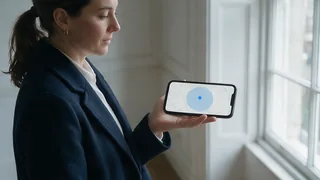
Delphi connects the person standing in front of the asset with the people who later need to rely on what was observed. Evidence is captured through the mobile platform, processed and protected by Delphi, then made available as a web-based certificate.
- 01
Capture
Create evidence at the asset
An authorised user captures photos or video directly through Delphi on their mobile device. The platform records the circumstances of capture alongside the media rather than relying on information supplied afterwards.
- Controlled capture
- Media originates through the Delphi capture environment rather than being selected from an existing photo library.
- Time & location
- Capture time and device-derived location are recorded as part of the evidence.
- Immediate review
- Evidence can be reviewed before the certificate is published.
- 02
Create the certificate
Corroborate, protect and organise the evidence
Delphi combines the captured media with supporting signals, checks the integrity of the capture process and creates a structured certificate.
- Corroboration
- Device, application, capture time, location and media integrity are evaluated together.
- Integrity protection
- The captured evidence is cryptographically protected so subsequent substitution or alteration can be detected.
- Privacy controls
- Sensitive information, including location, can be exposed at the level appropriate to the workflow.
 03
03Verify
Give the relying party direct access to the certificate
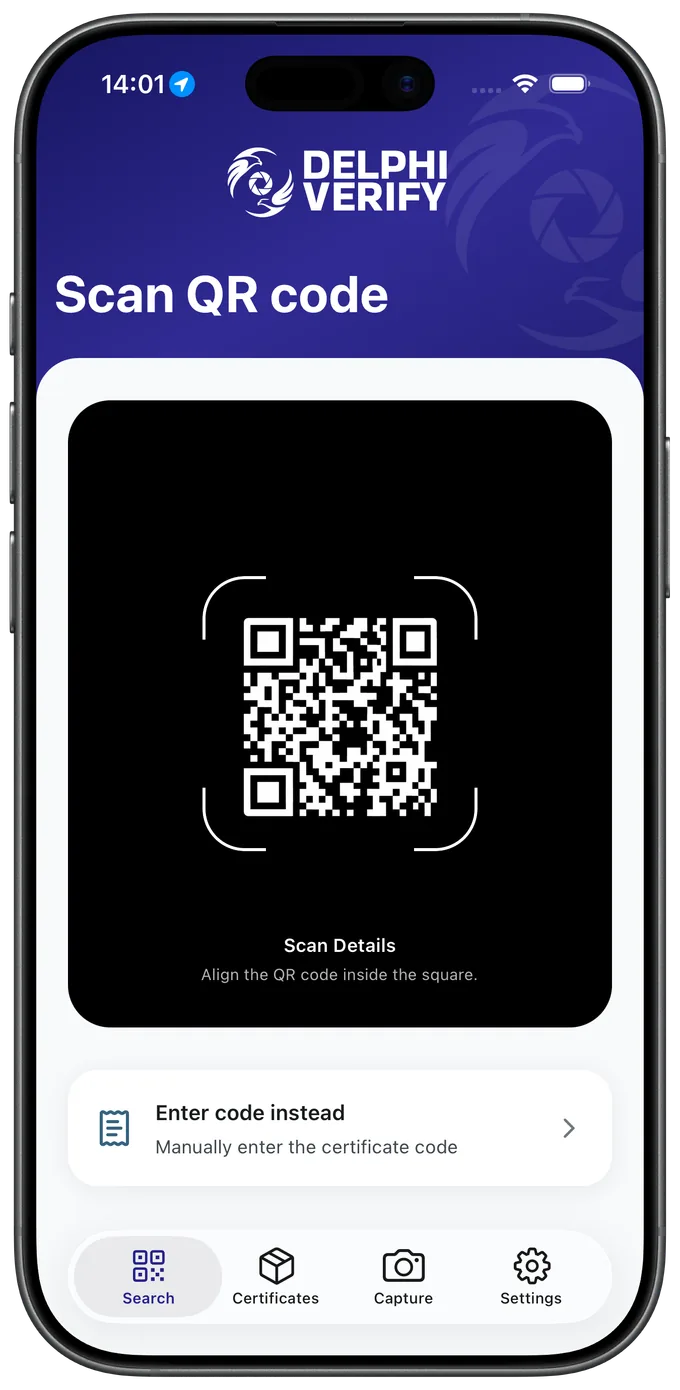
The resulting certificate can be opened by the receiving party through a QR code or public reference, allowing them to inspect the evidence and its verification status directly.
- No account required
- A recipient does not need to become a Delphi user simply to inspect a public certificate.
- Evidence and context together
- The certificate can present media, capture time, location, verification status and supporting integrity information.
- Independent integrity check
- Where an external integrity record has been confirmed, the certificate can link the verifier to that independently maintained record.
What happens behind the certificate
Capture
Evidence originates through Delphi.
Corroborate
Multiple signals are assessed together.
Secure
Evidence integrity is protected against silent alteration.
Verify
The relying party can inspect the resulting certificate.
Why it is different
More than a photograph
An ordinary photograph can show what something looked like, but its origin, timing and location can be difficult to establish independently.
Delphi creates evidence through a controlled capture process and evaluates multiple signals together before the certificate is published.
Ordinary photograph
Delphi evidence
Origin may be uncertain
Existing media can be copied, forwarded or supplied from elsewhere.
Controlled capture
Evidence is created through Delphi's capture environment.
Metadata can be altered
Dates, locations and file metadata can be changed or removed.
Capture circumstances recorded
Time, location and capture context are bound into the certificate.
Individual signals are easy to challenge
A photograph or a GPS field on its own provides limited assurance.
Multiple signals corroborated
Delphi evaluates several independent signals together.
Reproduced images may appear genuine
A photograph of a screen or of a printed image can be difficult to tell apart by eye.
Reproduction-risk screening
Captured photographs are screened for reproduction risk.
Subsequent alteration may be difficult to detect
Nothing in an ordinary file establishes whether it changed after it was taken.
Evidence integrity protected
The certificate is cryptographically protected so substitution or alteration can be detected.
Evidence is usually controlled by one party
The side that took the photograph is the side that keeps it.
Direct counterparty verification
A certificate can be opened and checked independently of the person who created it.
No single signal is trusted on its own
Any one of these can be misleading, and none of them announces when it is. A timestamp and a location field are claims about the evidence, made by the same device that produced it.
Core Delphi signals
Device
Is this a trustworthy physical device?
- Real device?
- Jailbroken?
- Simulated environment?
Application
Did the genuine Delphi app create the evidence?
- Official application?
- Authentic build?
- Modified software?
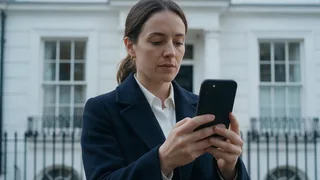
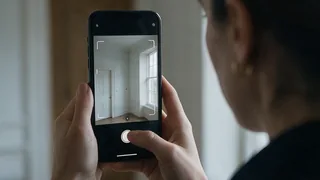
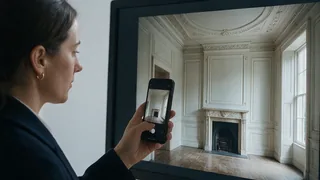
Capture
Was the camera observing the real asset?
- Live scene?
- A screen or a print?
- Reproduction risk?
Time
Did the capture actually happen when claimed?
- Device time correct?
- Manually changed?
- Independent corroboration?
Location
Was the device really where it says it was?
- Current fix?
- Spoofed?
- Accuracy sufficient?
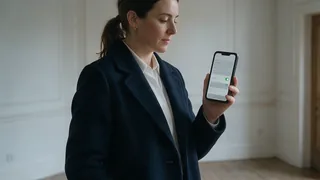
Media integrity
Is this still exactly what was captured?
- Original pixels?
- Altered after capture?
- Same evidence committed?
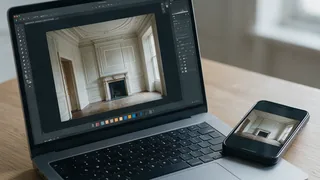
One evidence model. Different signals.
Development direction- PropertyAddress and property reference
- YachtsVessel identity and navigational data
- VehiclesVIN and telemetry
- ConstructionProject and milestone data
- Industrial assetsSerial number and asset data
Delphi is designed to incorporate additional asset-specific corroboration according to the needs of each workflow.
Where it creates value
Built for the moments where physical reality matters.
Delphi fits into workflows where an important decision depends on the condition, location, existence or state of a physical asset — especially where different parties may later have different accounts of what happened.
Handover
Establish condition when responsibility changes.
Inspection
Create a trusted record of what was observed.
Delivery
Record condition at despatch and receipt.
Incident
Capture contemporaneous evidence of an event.
Claim
Strengthen the evidential position around loss or damage.
Milestone
Establish physical progress at an important project stage.
Repair
Record condition before and after intervention.
Return
Show what changed during use, hire or custody.
Stronger evidence creates commercial value.
Where uncertainty about one of these moments has a financial consequence, better evidence can be worth measuring.
Increase revenue
Support faster decisions, remote acceptance and higher-trust transactions.
Increase profit
Reduce repeat inspections, checking, administration and dispute-management cost.
Reduce risk
Strengthen evidence and clarify accountability between counterparties.
Support asset value
Build a more trustworthy history that reduces information asymmetry.
The same model applies across very different industries.
From property and construction to yachts, insurance, vehicles and industrial assets, the underlying trust problem is often the same.
Explore where verified evidence applies